Journey Builder
Designing a visual, no-code platform for automating healthcare workflows across Innovaccer and third-party systems.
- Team
- 1 Product Manager, 5 engineersCross-collaboration w/ other modules
- Company & Role
- InnovaccerSenior Product Designer
- Timeline
- Mar '24 – Dec '25
In USA, a patient's data exists in an intelligent system of interconnected online portals.
Innovaccer builds the data and AI infrastructure that helps health systems (on any scale) unify that patient data and drive workflows to maintain the health, risks and satisfaction of their patient population.
During this project I moved from Outreach to Journey Builder as a Senior Product Designer under the “Experience” vertical, Innovaccer's Patient Relationship Management module.
As the sole design owner on a new product, I worked with my Product Manager and a team of 5 engineers to make an automation product spanning across multiple branches of patient relationship management and automating a broad variety of clinical workflows.
Health systems (or an ACO for the sake of this case study) adopt a mix of patient-engagement and task-delegation strategies towards their patient population.
- Risk discovery & assessmentIdentify risks and opportunities across patient population, create goals and build strategies.
- Personalized engagementUse Outreach to engage with patient population via multiple channels to provide information about their health, appointment or guides.
- Delegating clinical tasksUse Atlas to create and assign tasks to care managers to close gaps, call & book visits, and update patient charts.
- Tracking performanceWatch patient response trends and health metrics to refine next steps to match the created goals.
- 01Severity
Inadequate product synergy
Outreach and Atlas are disconnected, while strategies often contain sequentil steps from both these modules.
- 02Severity
Inefficient manual work
Triaging clinical tasks manually becomes an inefficient task at high patient volume, and the process becomes prone to human errors.
- 03Severity
Lack of discoverable outcomes
Clinical outcomes cannot be tracked to the engagement on outreaches, leaving a gap in the tracking journey.
- 04Severity
Broken data transfer flows
Routing ACO data through external automation tools gives way to use of spreadsheets and SD tickets as a means of data transfer.
Healthcare organizations were not struggling with the volume of patients …
… but the inefficiency in the process meant for catering them.
Alongside the research team, I shadowed four interview sessions with users across different health systems, enough to get a clear read on who we were building for, and what the product's backbone had to be.
- 01Who are our users
Strategy managers sit between clinical teams and technology, and are quite familiar with Innovaccer tools like Outreach and Atlas for their daily tasks.
- 02How do they start
Most of the hard work happens before the tool is even opened: message approvals, cohort creation, and strategy building.
- 03What do they do
The tools are used during setup and launches. Once live, tracking becomes the heavy work.
- 04What is the caveat
They are context-switching constantly between products, which means clarity and scannability matter more than depth.
- 05Their ideology
Their job is converting clinical strategy into campaign execution. Another layer of technical complexity is just another hurdle in their tasks.
With my Product Manager, we curated our vision for the product, explored possible use-cases, conducted competitor research, and explored some Gen-AI features for future enhancements.
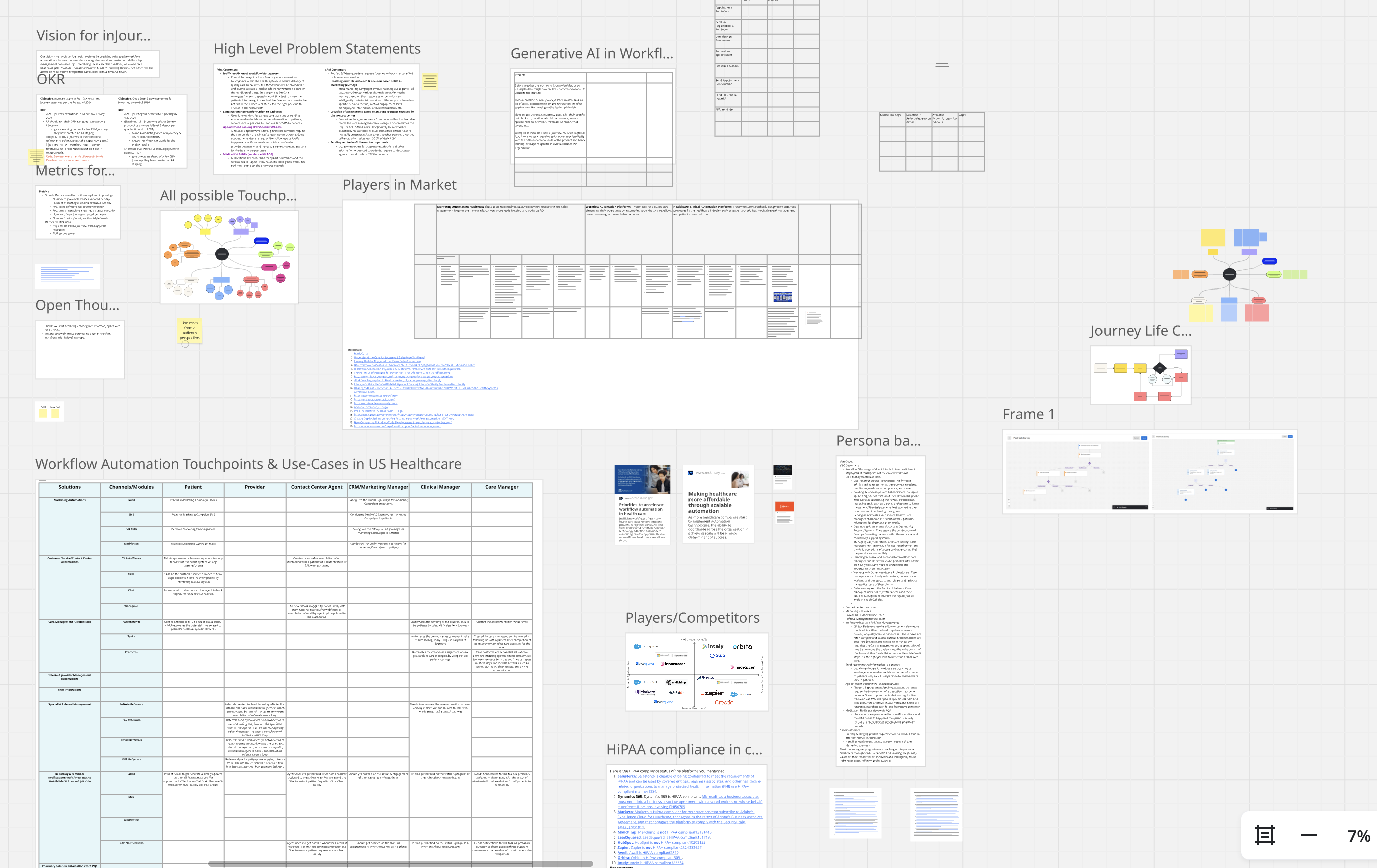
Automation products are too techy, and can be overwhelming. Strategy managers need a tool that speaks their language.
- 01
Match their mental model
Configuring a journey should never feel alien. Journey Builder borrows the vocabulary users already know from Outreach and Atlas, so the modules read as one coherent system.
- 02
Make information easy to find
Their processes are dense. The tool filters intelligently, surfacing what the moment calls for and letting everything else recede.
- 03
Keep a sense of safety in the tool
Validations, proactive alerts and warnings sit at the touchpoints that matter, so configuring and launching a journey always feels safe.
- 04
Tie outcomes back to the journey
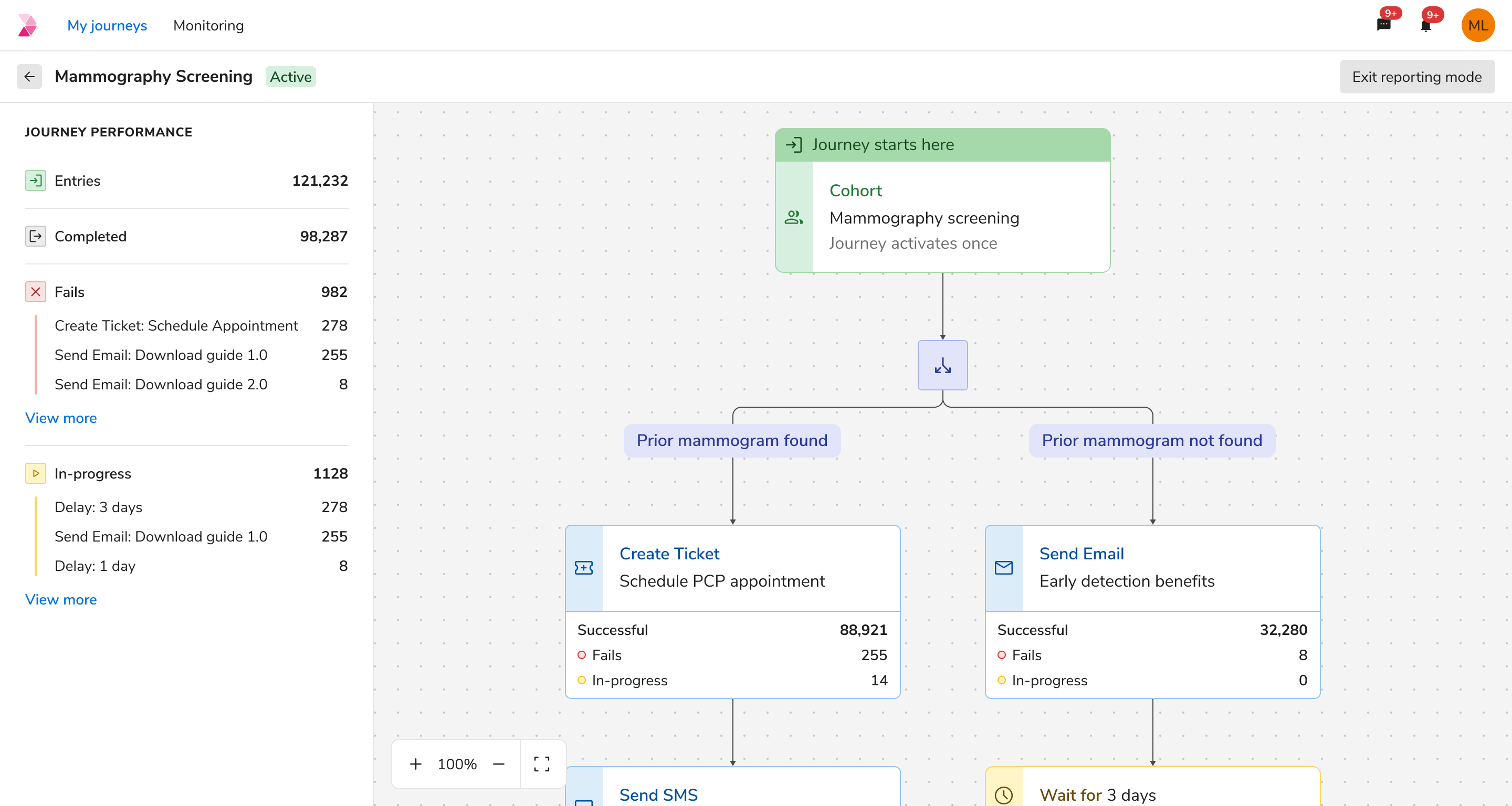
The product's core problem: users need to see the clinical outcome an outreach drove. Every metric we choose serves that line of sight.
Web-based, no-code workflow automation tool, enabling non-technical users to create, manage and track patient journeys seamlessly.
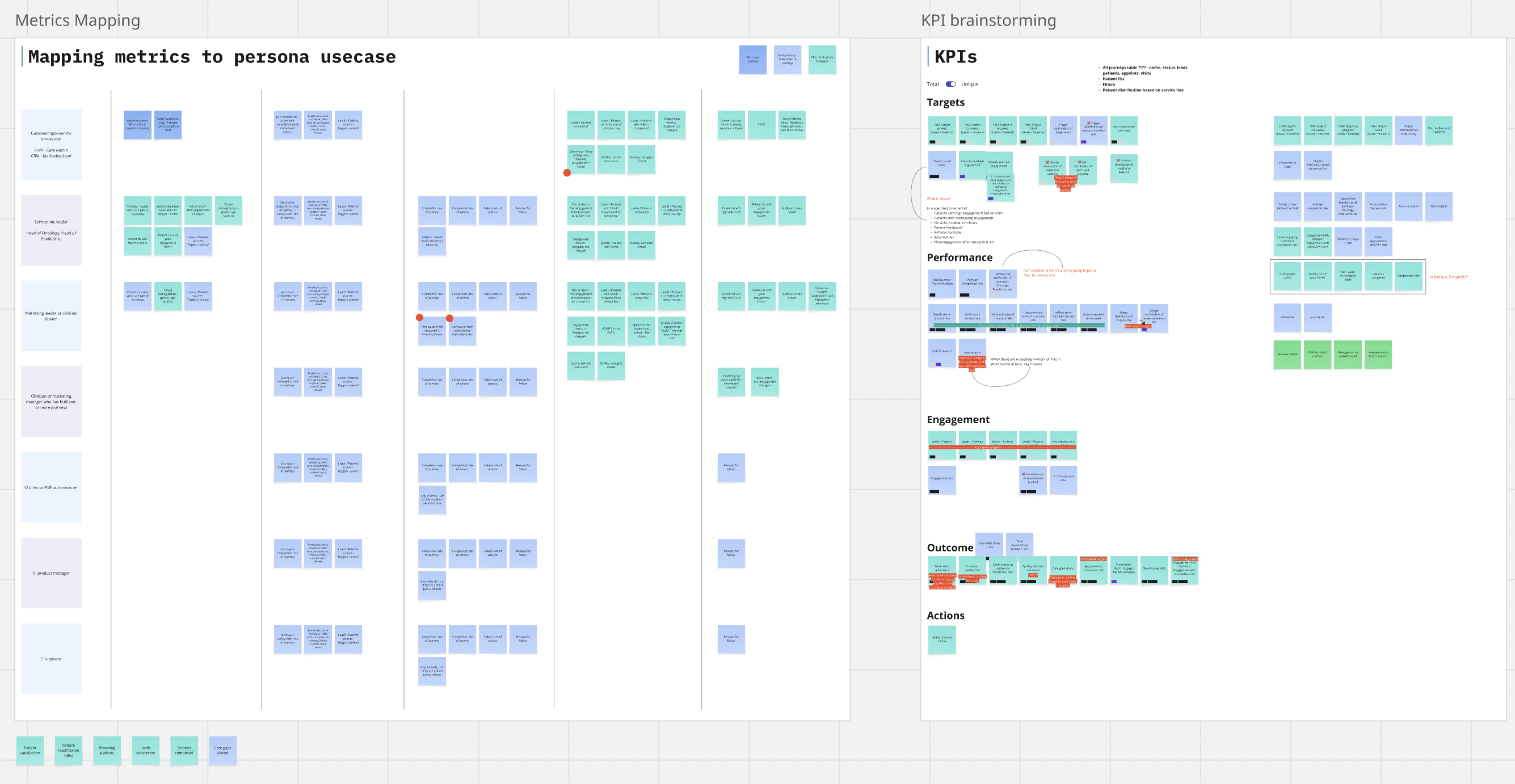
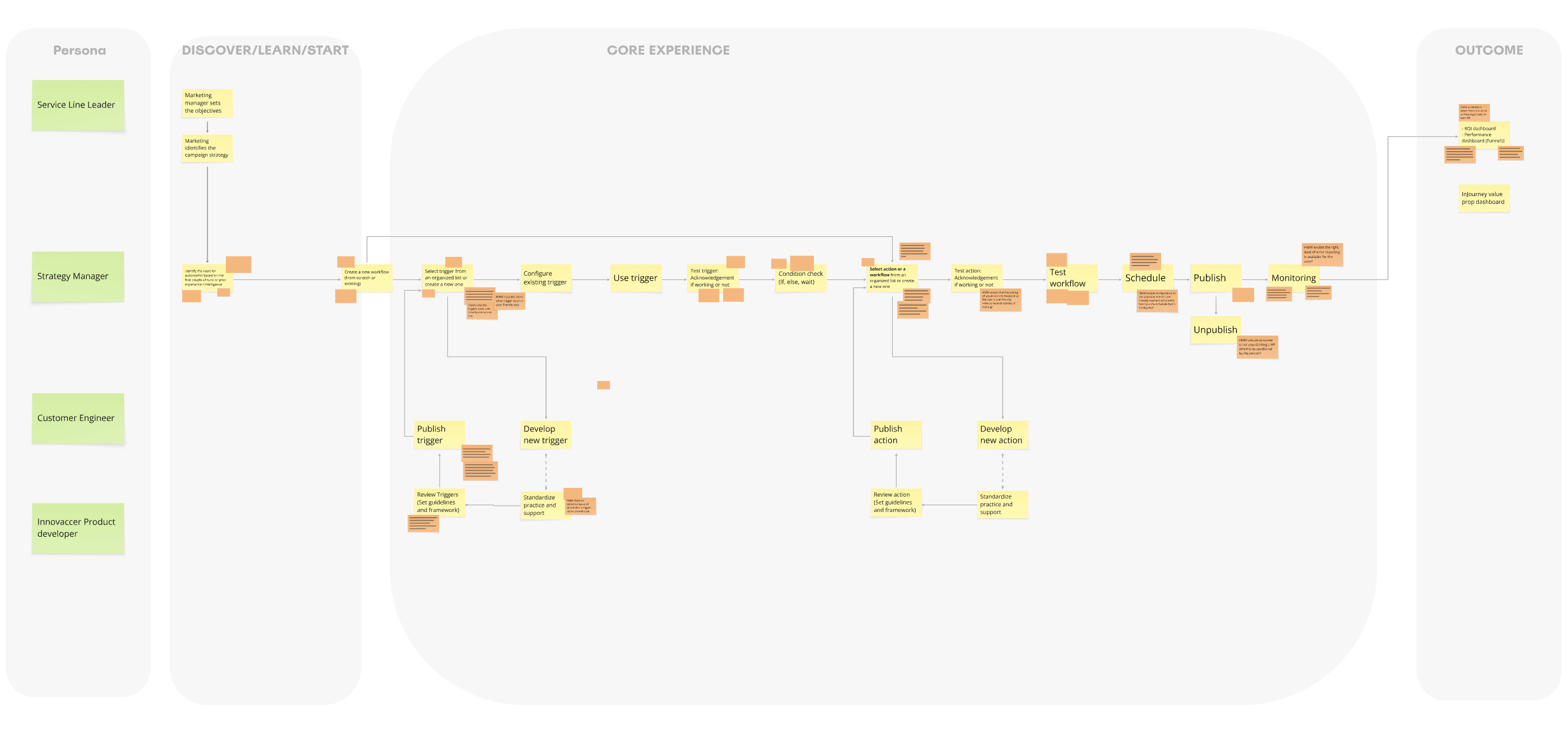
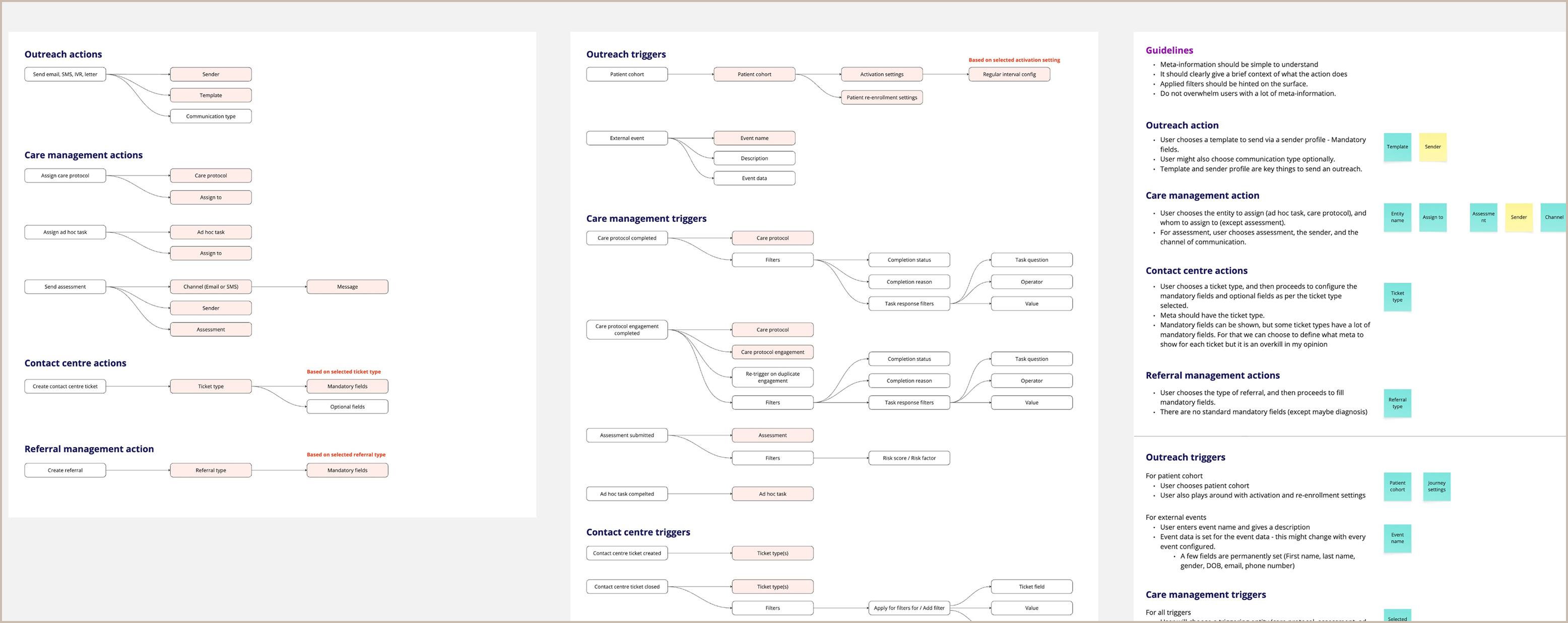
We defined the experience of the product by a series of activities: mapping user journeys, defining product objects, and standardizing content.
01 / 05 · Experience map — The end-to-end flow across personas, from discovery, through building and testing a journey, to the outcome dashboards.
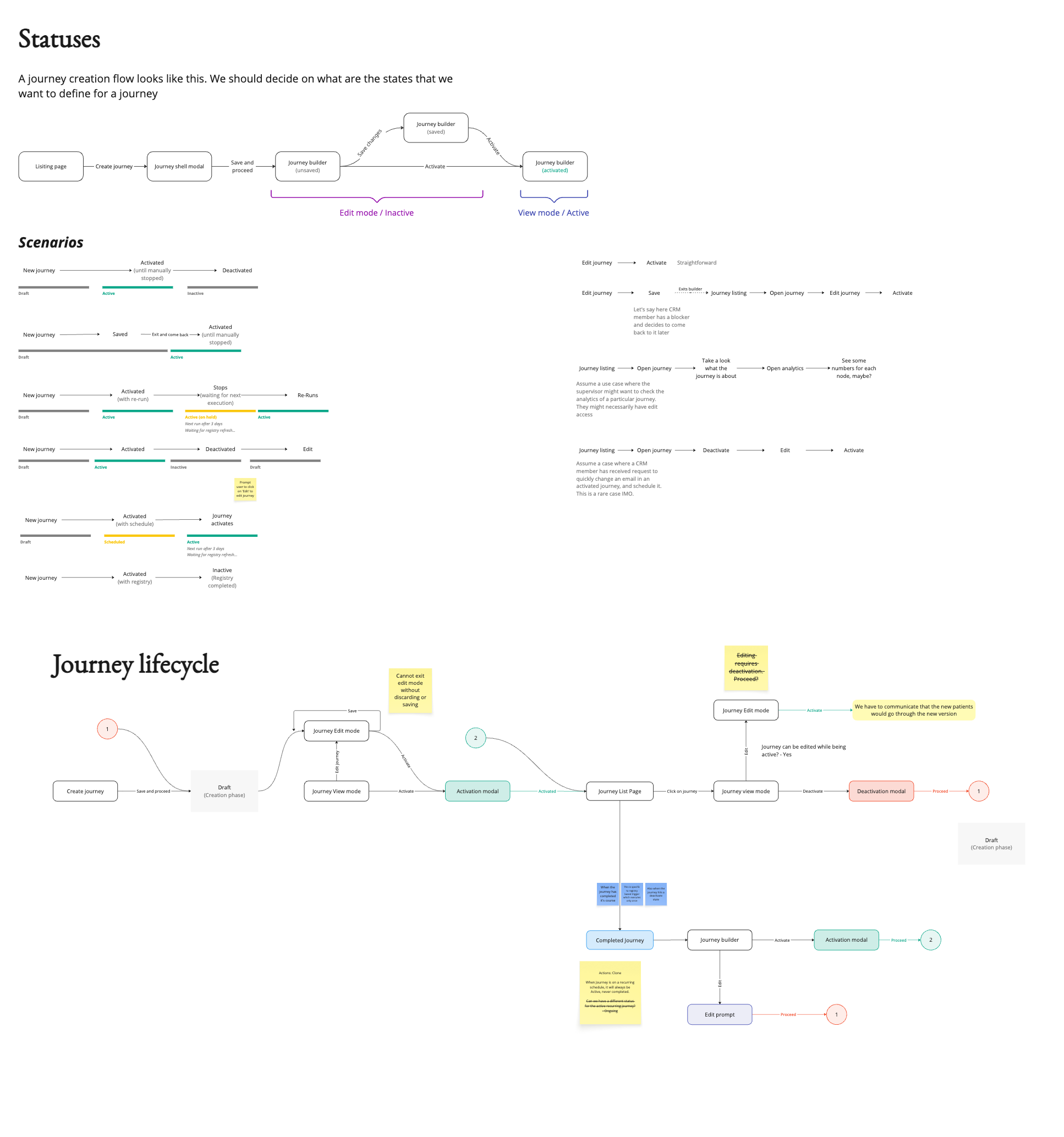
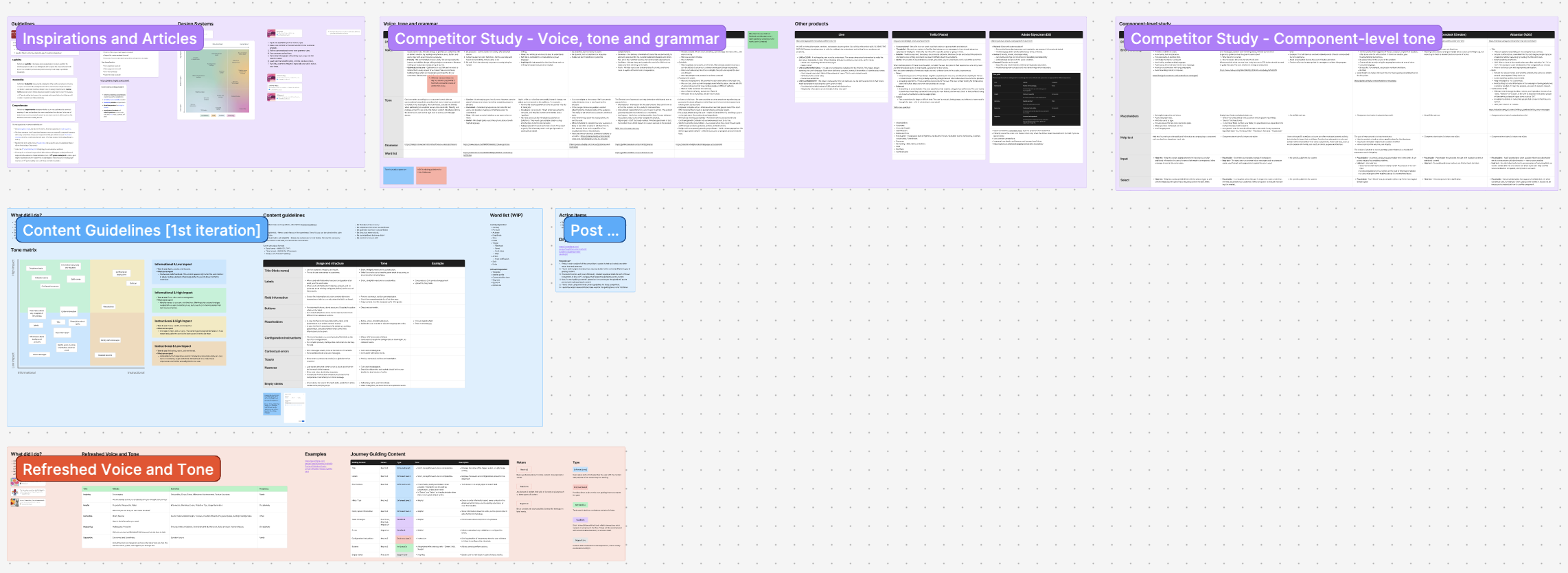
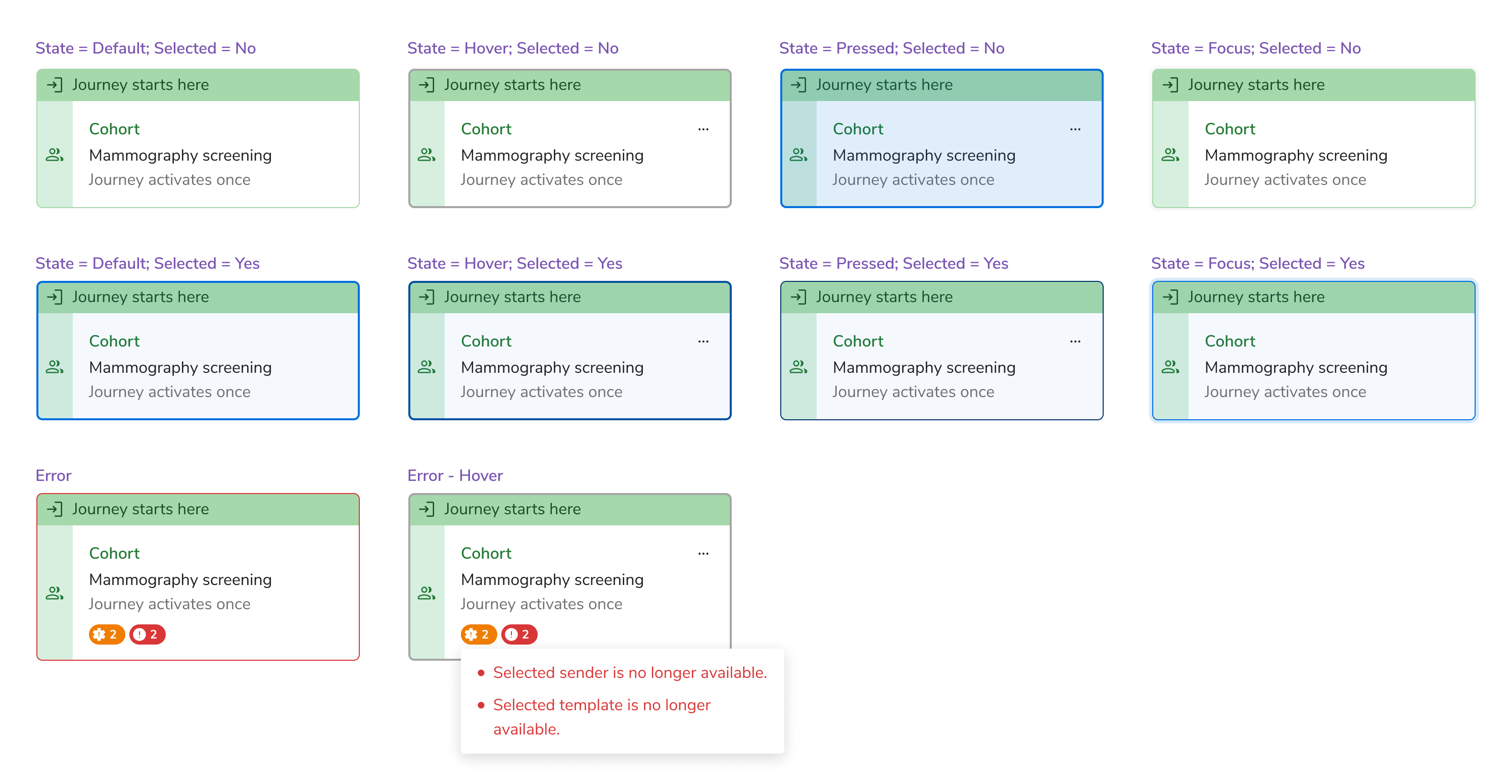
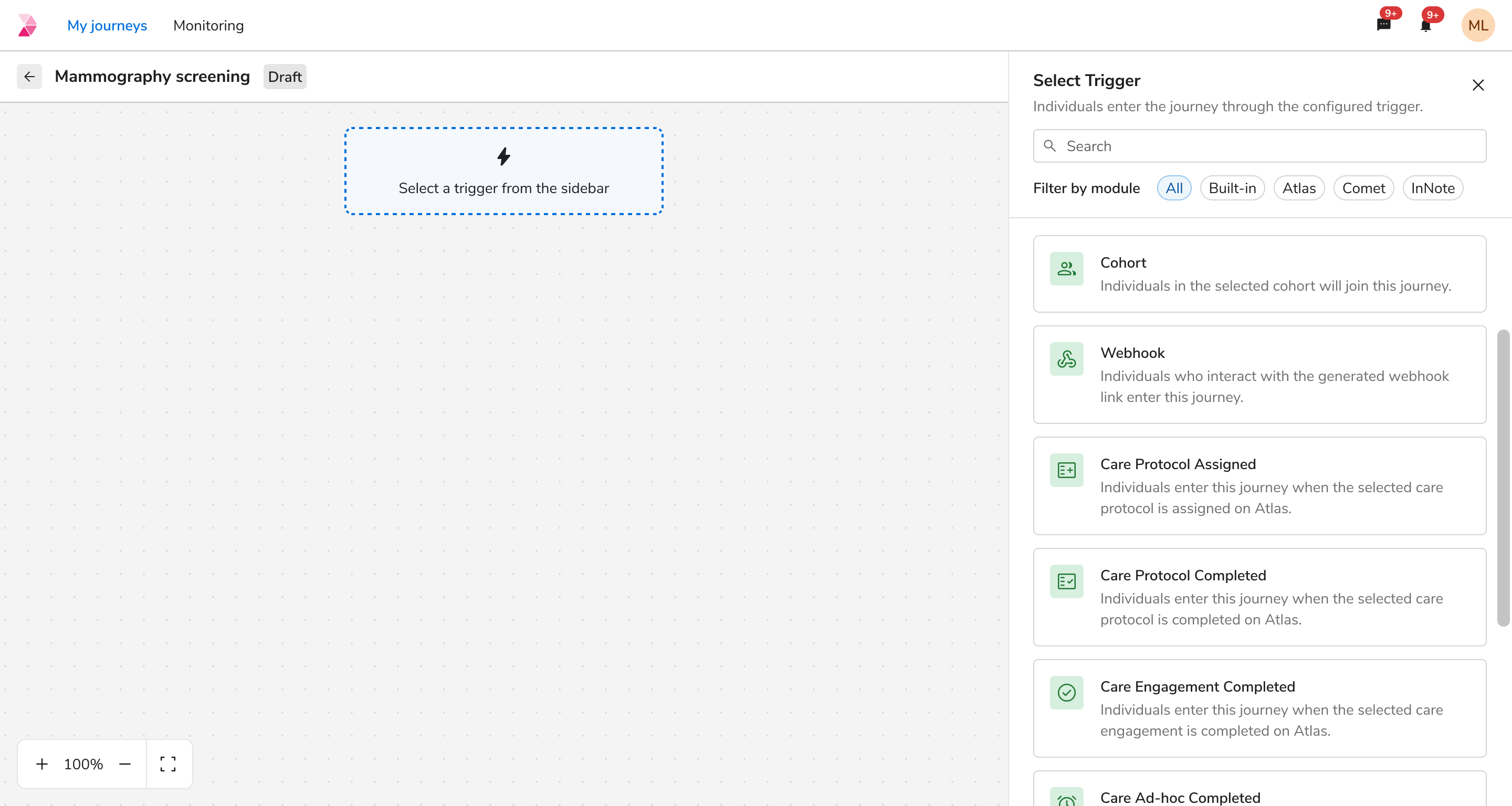
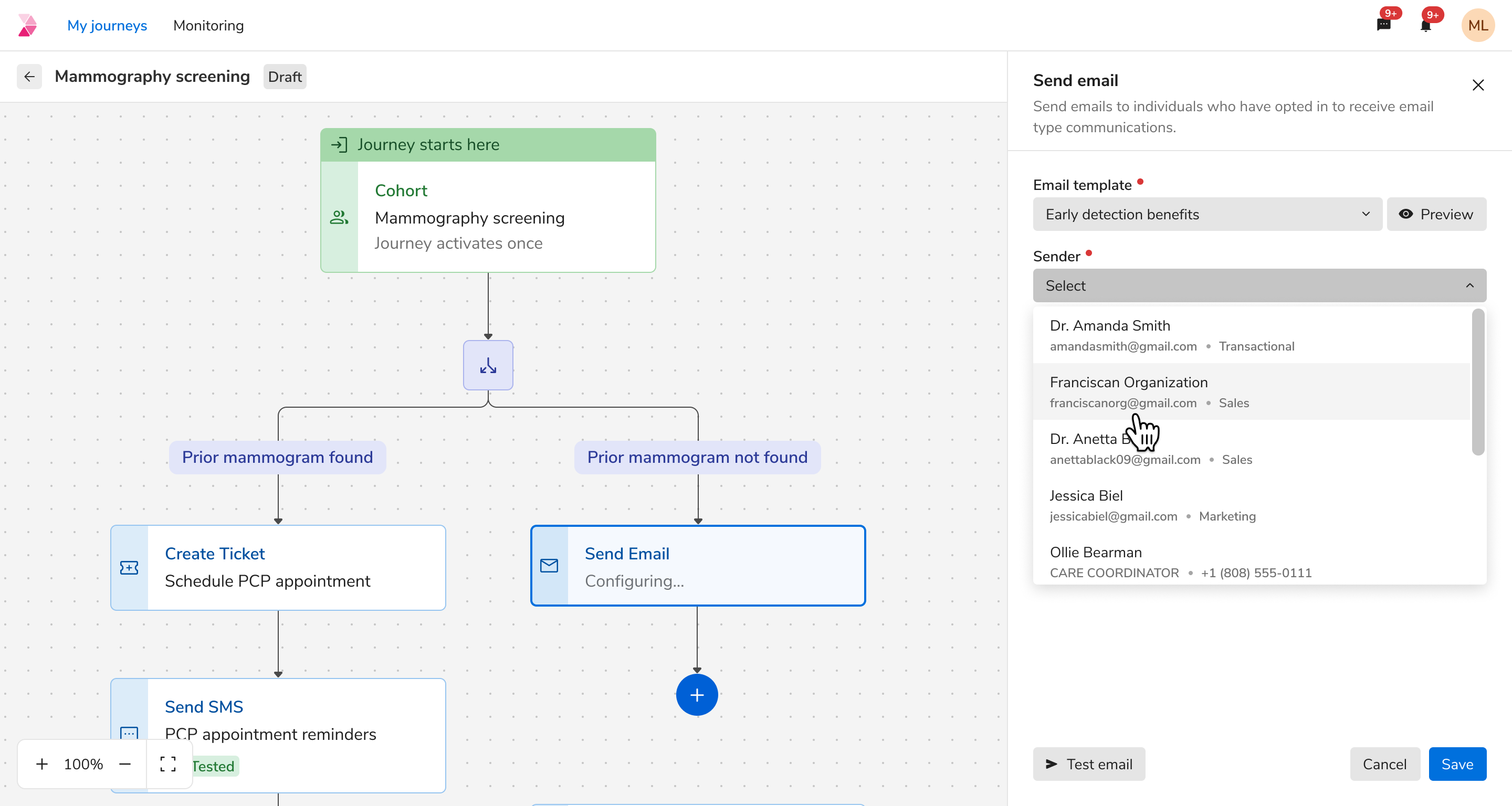
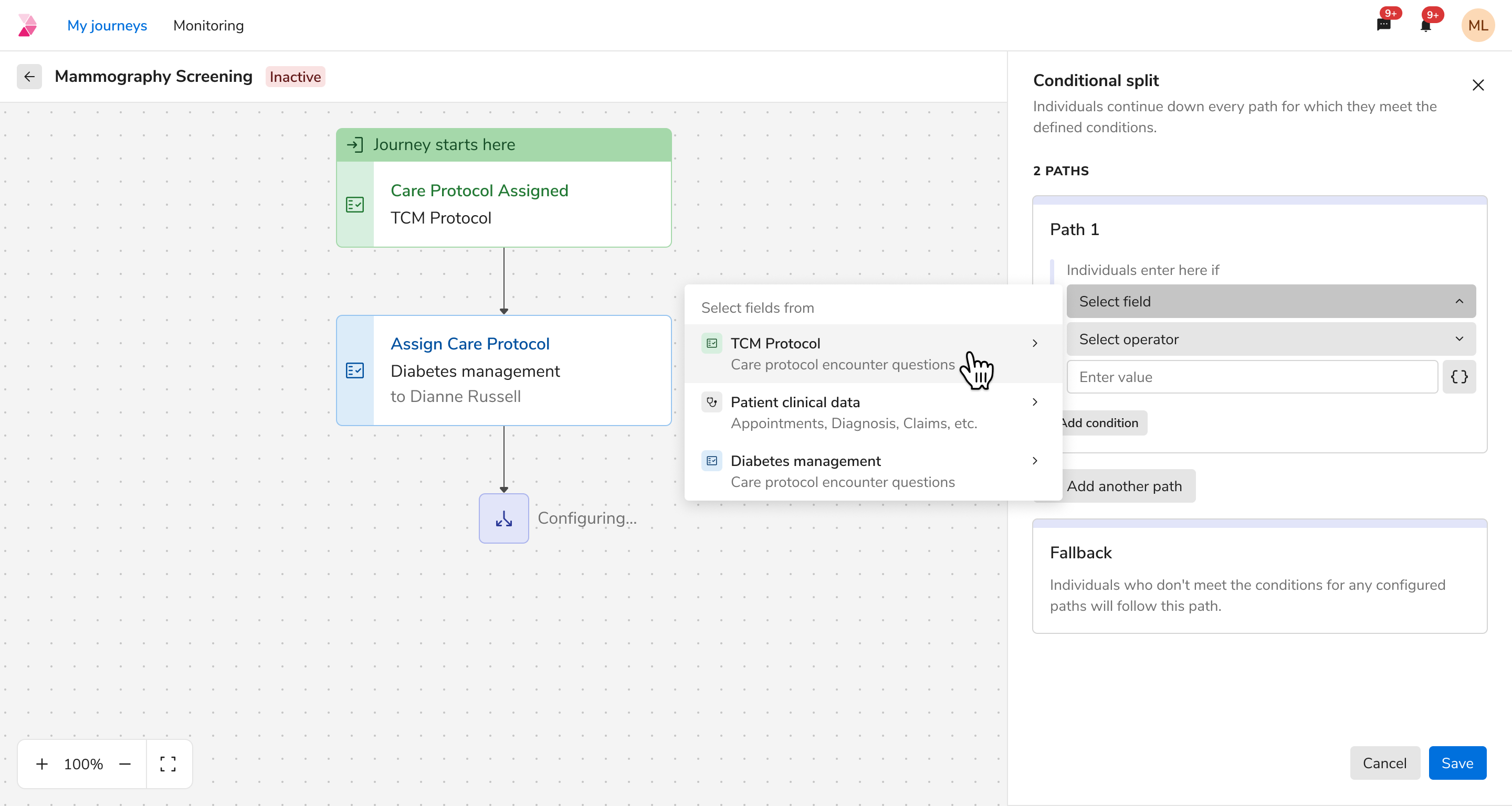
Some key screens from the complete Journey Builder, which took almost 3 months to lay the foundations for, and a year of enhancements and additive features after that.
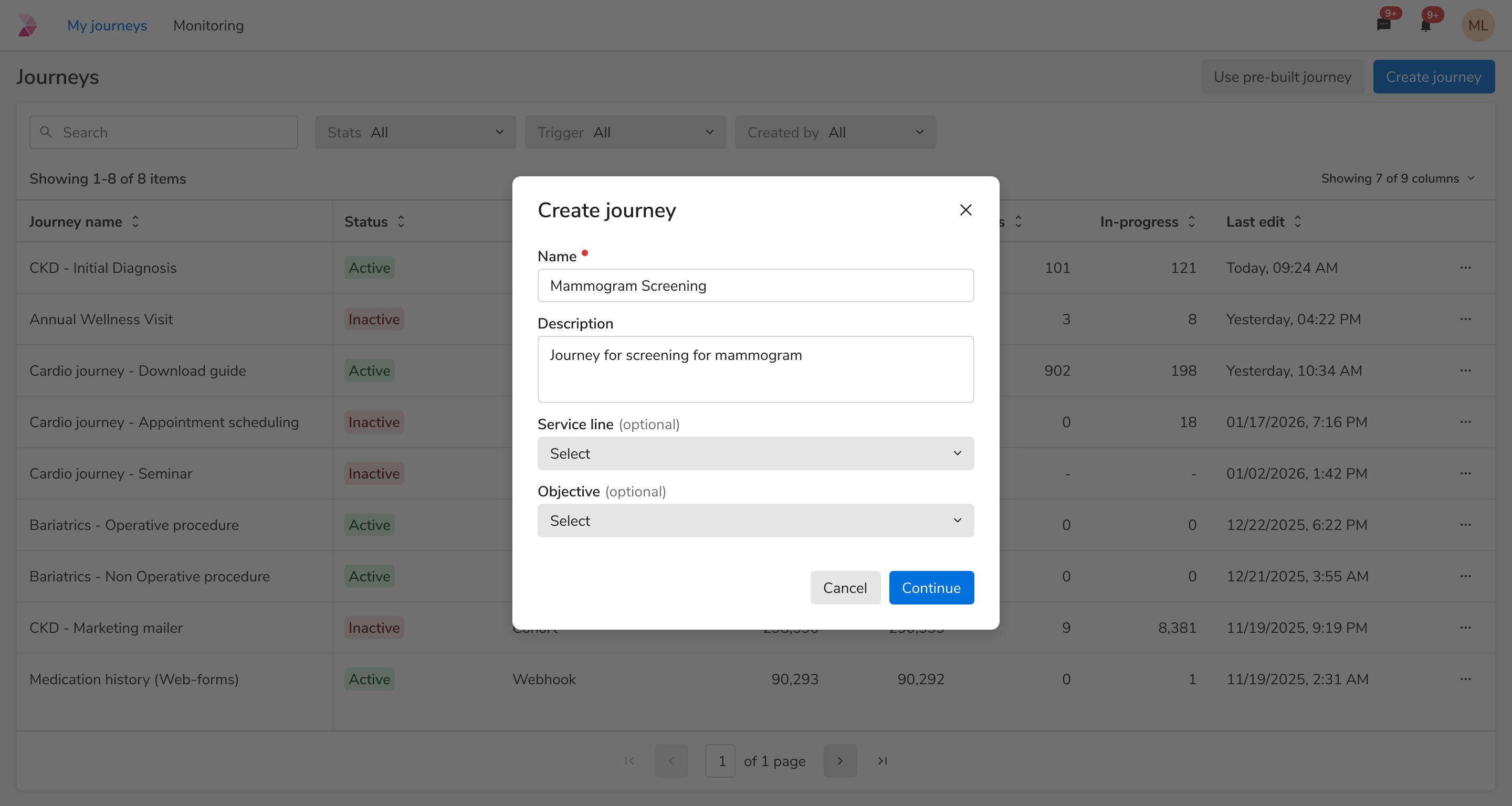
01 / 07 · Creating a journey — Spinning up a new journey: name, description and the service line it belongs to, over the full list of what's already running.
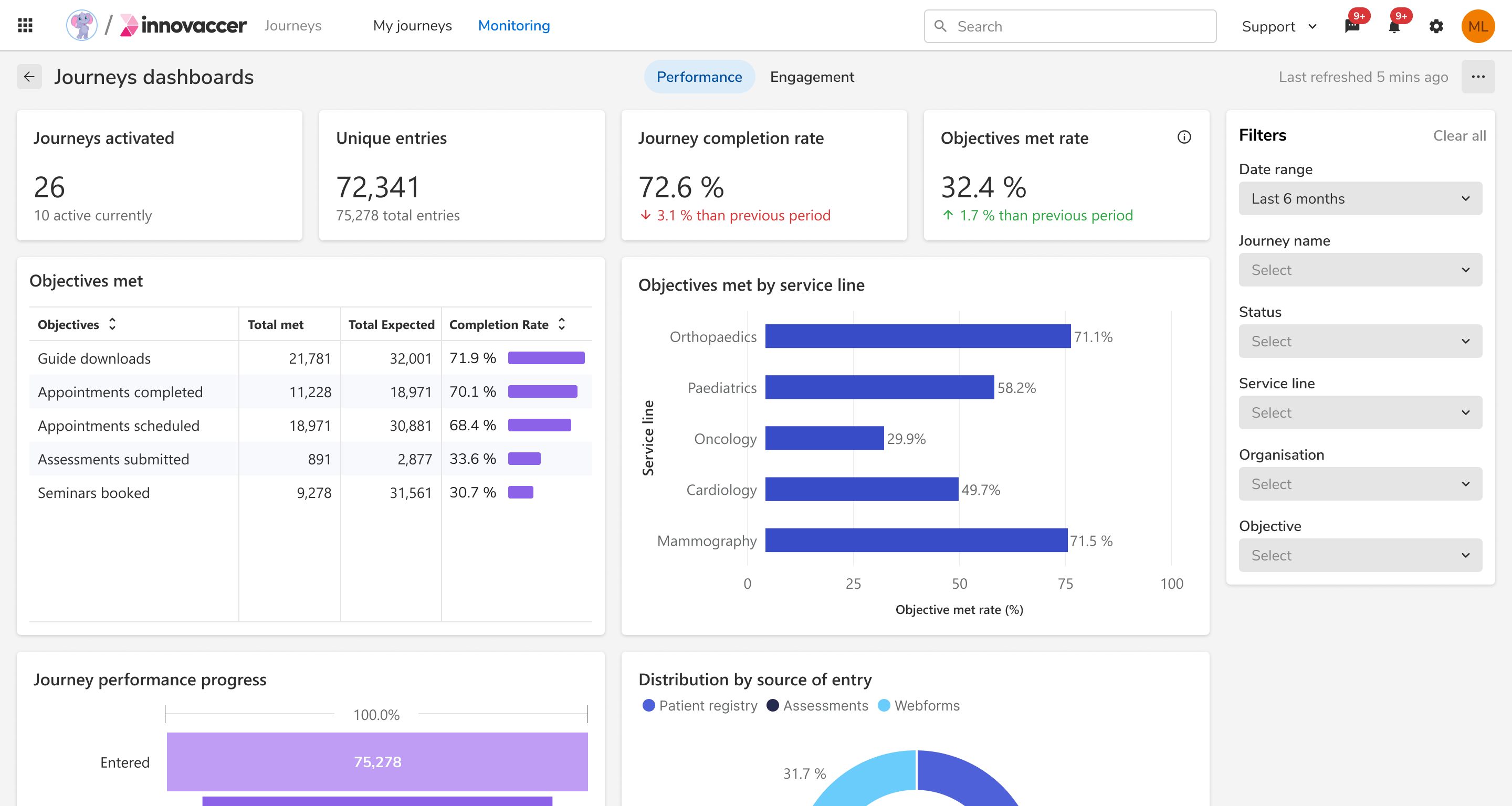
The same automation turned into measurable time and conversion gains across very different customers.
- 10,000 minutessaved every day
~10 minutes saved per referral fax, across roughly 1,000 faxes a day, for an orthopaedic health system serving a population of 100K+ patients.
- ~10% moreappointments booked
Appointment-reminder journeys over SMS lifted the booking rate for an ACO handling multiple service lines in North Carolina.
- 1.5 hours backper clinical admin, daily
Assigning tasks and tickets in a radiology health system with ~25 subsidiaries. Across a team of just 10 admins, that's ~15 hours saved per team, every day.
Huge thanks to Ishaan for his invaluable contributions to InJourney! This past quarter, he's shown some incredible growth, taking on more ownership and responsibility for his product. His communication with stakeholders and commitment to keeping the team updated at every level have been great. He also did a fantastic job revamping the Journey UI experience.”
Rimpy BatraSPOT Award, November 2024Ishaan and Annsh worked towards revamping the InJourney UI and the results have been nothing short of amazing! Due to their diligent efforts, the product now has a much more user friendly and attractive UI.”
Harshit KohliSPOT Award, July 2024Three major milestones achieved by this amazing team: 1M+ journeys executed, with the big rock running successfully in FA production. Quality Management Journeys deployed for Atlantic Health, another big rock and customer added to our growing journeys portfolio. Referral Copilot AI extraction, where accuracy continues to improve for OlyOrtho.”
Trisha Shrivastava#team-injourney, July 2025
- 01On personas
Influx of technology has blurred the lines of user persona in every industry. Give a persona enough context about the industry, and the right tool training can take care of the rest.
- 02On foundations
Designing an automation product requires strong foundational blocks to be laid first. The same component of a node, or a configuration sidesheet, gets reused in almost every dev handoff.
- 03On scale
Building my first product from scratch, I learned how to make a product architecture that is scalable. Scalability wasn't an afterthought. It came from sitting with the use-cases and future features early.
- 04On research
Good research leads to good results. Quoting Sir Albert Einstein: if I had an hour to solve a problem, I'd spend 55 minutes thinking about the problem and 5 minutes thinking about solutions.